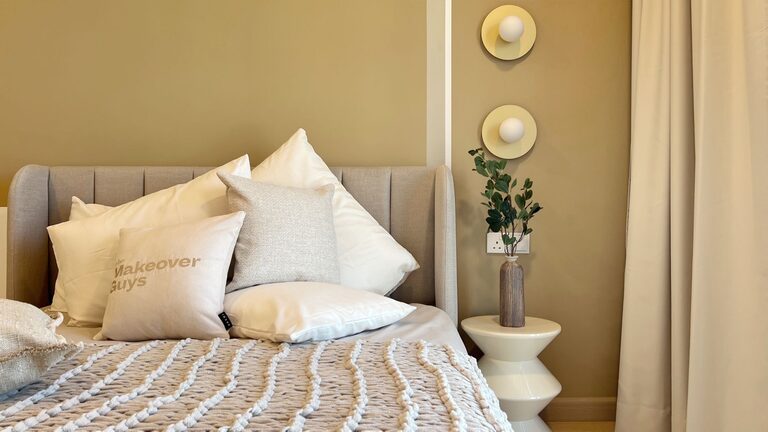










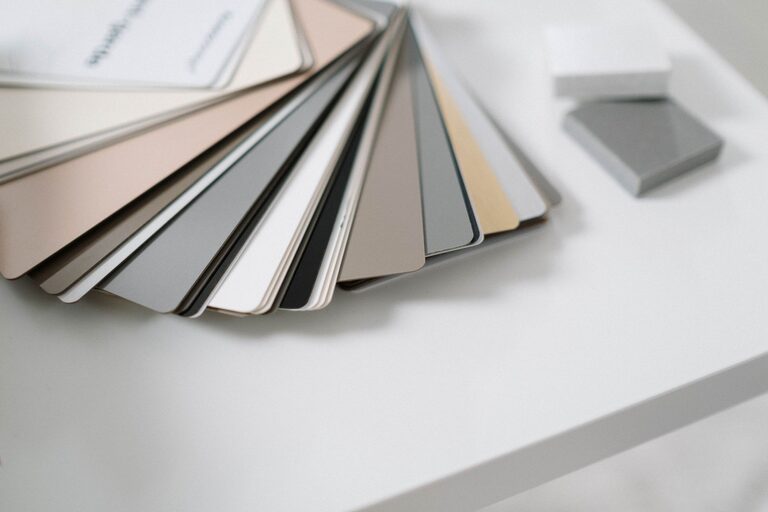
Creating a peaceful and relaxing atmosphere in your home starts with the colors you choose for your walls, furniture, and decor. Calm colors can help reduce stress, improve focus, and make any space feel more inviting. If you’re looking to refresh your home with soothing hues, this guide offers practical tips to help you pick calm colors that suit your style and space.
Why Choose Calm Colors?
Calm colors are typically soft, muted, and gentle on the eyes. They often remind us of nature, like the pale blue of the sky or the soft green of leaves. These hues can:
– Promote relaxation and reduce anxiety
– Create a sense of spaciousness and light
– Improve concentration and restful sleep
– Enhance the overall mood of a room
When you choose calm colors carefully, you can transform your home into a haven from the hustle and bustle of everyday life.
Popular Calm Colors to Consider
Here are some color families that are well-known for their calming effects:
Blues
Blue tones evoke a sense of tranquility and stability. Light blues and soft teals work well in bedrooms and bathrooms, helping you unwind and refresh.
Greens
Green is often associated with nature and balance. Soft greens provide a peaceful vibe in living rooms or kitchens and pair nicely with natural materials.
Neutrals
Beige, taupe, and soft gray offer understated elegance and create a versatile backdrop. Neutral colors are easy to combine and allow your furniture and art to stand out.
Soft Pastels
Colors like blush pink, lavender, and pale yellow can add subtle warmth and cheerfulness without overwhelming the senses.
How to Choose the Right Calm Colors for Your Home
1. Consider the Room’s Purpose
Different rooms have different functions, so choose colors that match the mood you want to create:
– Bedroom: Opt for blues, greens, or soft neutrals to encourage relaxation and restful sleep.
– Living Room: Use warm neutrals or gentle pastels to create a cozy, welcoming space.
– Kitchen: Light greens or blues can foster a fresh and clean feel.
– Bathroom: Soft blues or aqua shades evoke cleanliness and calm.
2. Test Colors in Different Lighting
Lighting can dramatically affect how a color looks. Natural light, fluorescent bulbs, and incandescent lighting each highlight colors differently.
– Paint sample areas on your walls and observe them at different times of day.
– Notice if the colors feel warm, cool, or overly bright.
– Adjust your choice based on how the colors make you feel throughout the day.
3. Balance with Accents and Textures
Even calm colors benefit from contrast and texture to avoid feeling flat or boring:
– Use throw pillows, rugs, or curtains in complementary colors.
– Incorporate natural materials like wood, linen, or stone for added depth.
– Add metallic or glass accessories for a subtle shine.
4. Stick to a Palette
Limiting your color palette helps create visual harmony:
– Select 2–3 main calm colors for your large surfaces like walls or sofas.
– Use a couple of accent colors for smaller items.
– Avoid too many contrasting colors to maintain a serene atmosphere.
Tips for Painting with Calm Colors
– Use matte or eggshell finishes instead of glossy paint to enhance the softness.
– Choose high-quality paints for better coverage and a smooth finish.
– Consider an accent wall in a deeper shade of your chosen calm color to add interest without overwhelming the room.
How to Incorporate Calm Colors Beyond Paint
Color doesn’t have to be limited to walls. You can introduce calm colors through:
– Upholstery and cushions
– Artwork and wall decor
– Rugs and curtains
– Plants with soft green foliage
– Decorative objects like vases and lamps
Final Thoughts
Selecting calm colors for your home is a simple yet powerful way to influence your mood and well-being. By understanding the effects of different hues, considering your space’s purpose, and balancing colors with textures and accents, you can create a comfortable and peaceful home environment that truly feels like a retreat.
Take your time experimenting and trust your instincts—your home should feel like a place where you can relax and recharge every day.