










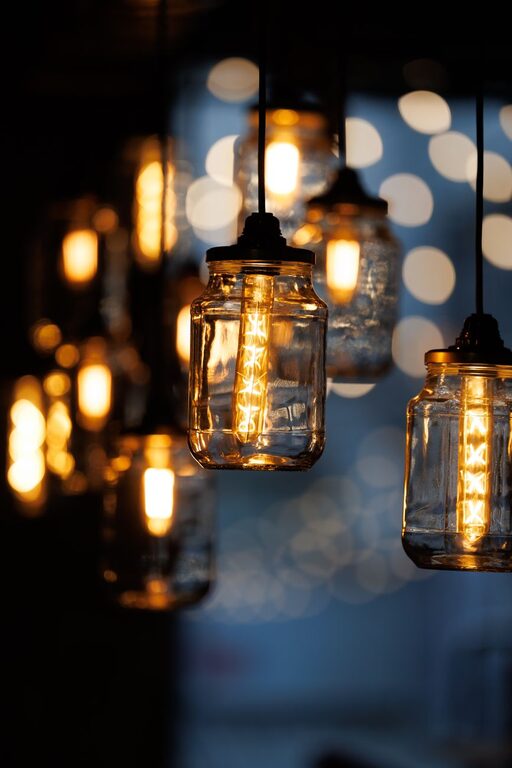
When it comes to creating a cozy and inviting home, lighting plays a crucial role. The right lighting can transform a space, making it feel warm, welcoming, and comfortable. On the other hand, poor lighting can cause discomfort, eye strain, and even affect your mood. Whether you’re redesigning your home’s lighting or simply looking to improve it, these tips will help you choose lighting that enhances comfort and complements your space.
Understanding the Importance of Comfortable Home Lighting
Comfortable lighting balances brightness and warmth to support your daily activities without causing glare or harsh shadows. It helps define the ambiance of a room and can even influence productivity and relaxation. The key is to tailor lighting to each room’s purpose and your personal preferences.
1. Consider Your Lighting Needs by Room
Different rooms have different lighting needs, so it’s important to think about how you use each space.
Living Room
In the living room, you’ll want layered lighting that combines ambient, task, and accent lighting. Ambient lighting provides overall illumination, while task lighting (like reading lamps) focuses light where you need it most. Accent lighting highlights artwork or architectural features and adds warmth.
Kitchen
Kitchens require bright, clear lighting, especially over work areas like counters and sinks. Use under-cabinet lights or pendant lights to reduce shadows and enhance visibility. A combination of overhead lights and task lights works well.
Bedroom
In the bedroom, soft and warm lighting creates a relaxing atmosphere. Dimmable bedside lamps or wall sconces allow for easy control when reading or winding down.
Bathroom
Bathrooms benefit from bright, shadow-free lighting for grooming tasks. Place lights on either side of the mirror or use a backlit mirror for even illumination.
2. Choose the Right Bulb Type and Color Temperature
The bulb you choose affects both comfort and energy efficiency.
– LED Bulbs: Energy-efficient, long-lasting, and available in various color temperatures.
– Incandescent Bulbs: Provide warm light but use more energy and have shorter lifespans.
– CFL Bulbs: More efficient than incandescent, but contain small amounts of mercury and may take time to warm up.
Color Temperature Explained
Measured in Kelvins (K), color temperature influences the mood.
– Warm light (2700K – 3000K): Soft, yellowish light that feels cozy and relaxing, ideal for living rooms and bedrooms.
– Neutral light (3500K – 4100K): Balanced white light suitable for kitchens and bathrooms.
– Cool light (5000K – 6500K): Bright, bluish light that mimics daylight, good for workspaces but may feel harsh for relaxation.
Aim for warmer tones in relaxing spaces and neutral to cool tones for areas requiring focus.
3. Opt for Adjustable Lighting
Having control over your lighting enhances comfort. Dimmers, adjustable lamps, and smart lighting systems allow you to change brightness levels based on the time of day or activity. This flexibility helps reduce eye strain and sets the right mood.
4. Pay Attention to Light Placement and Fixtures
Where and how you place your lights affects comfort and style.
– Avoid placing direct light sources at eye level to prevent glare.
– Use lampshades or diffusers to soften harsh light.
– Position lights to minimize shadows in task areas.
– Consider fixtures that complement your home’s decor and scale.
5. Incorporate Natural Light
Natural light is the most comfortable and visually pleasing light source. Maximize natural light by:
– Using sheer curtains that let light in while providing privacy.
– Placing mirrors to reflect light into darker corners.
– Keeping windows clean and unobstructed.
Natural light affects mood positively and can reduce the need for artificial lighting during the day.
6. Balance Functionality with Style
While comfort is important, your home lighting should also reflect your style. Whether you prefer modern, rustic, or minimalist designs, choose fixtures that enhance your decor without sacrificing comfort.
7. Avoid Overly Bright or Flickering Lights
Overly bright lighting can cause eye fatigue, while flickering lights may lead to headaches and discomfort. Choose quality bulbs and reliable fixtures to ensure steady, comfortable lighting.
8. Consider Energy Efficiency
Comfortable lighting doesn’t have to come at a high energy cost. LED bulbs are a great choice for combining comfort with efficiency. Additionally, using timers or motion sensors can help reduce unnecessary usage.
Summary
Choosing comfortable home lighting involves thoughtful consideration of room function, bulb type, color temperature, and fixture placement. Emphasizing adjustable and layered lighting, incorporating natural light, and balancing style with comfort will help you create a welcoming and pleasant environment. By following these tips, you can ensure every corner of your home is well-lit and comfortable for daily living.
—
By investing time and effort into your home’s lighting, you can enhance both the beauty and comfort of your living spaces. Experiment with different options and don’t hesitate to consult lighting professionals if needed to find the perfect balance for your home.