










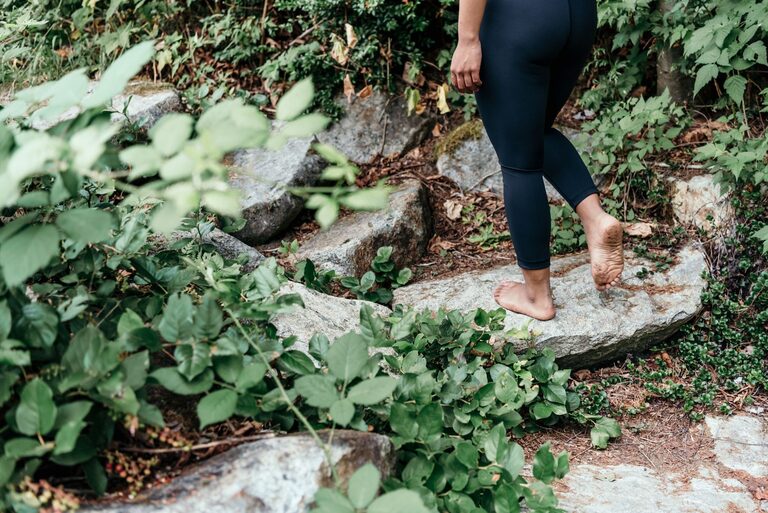
Mindful walking is a simple yet powerful practice that combines the benefits of walking with mindfulness meditation. It helps you become more present, reduce stress, and connect with your environment. Whether you’re new to mindfulness or looking for a gentle way to incorporate it into your daily routine, mindful walking is a great place to start.
In this beginner guide, we’ll explore what mindful walking is, how to practice it, and the benefits you can expect.
What Is Mindful Walking?
Mindful walking means paying close attention to the experience of walking—how your body moves, the sensation of your feet touching the ground, and the sights and sounds around you. Instead of walking on autopilot or rushing to your destination, you bring your full awareness to each step.
This practice is rooted in mindfulness, a form of meditation that encourages living fully in the present moment without judgment.
Why Practice Mindful Walking?
Many people find mindful walking calming and grounding. Here are some reasons to give it a try:
– Reduces Stress: Focusing on your steps and breathing can quiet a busy mind.
– Improves Focus: Regular practice helps increase attention span and mental clarity.
– Boosts Mood: Awareness of nature and surroundings often enhances feelings of happiness.
– Promotes Physical Health: Walking gently benefits your body while calming your mind.
– Encourages Self-Connection: It helps you tune into your thoughts and emotions with kindness.
How to Begin Mindful Walking: Step-By-Step
Starting mindful walking is easy and requires no special equipment. Find a comfortable, safe place to walk—this could be a park, quiet street, or even indoors.
1. Get Comfortable
Wear comfortable shoes and clothes. Stand still for a moment and take a few deep breaths to settle your mind and body.
2. Set Your Intention
Briefly remind yourself why you’re walking mindfully. It could be to relax, focus, or simply enjoy the moment.
3. Walk Slowly and Deliberately
Begin walking at a slower pace than usual. Pay attention to each movement:
– Notice how your feet lift and move forward.
– Feel your weight shift from one leg to the other.
– Observe the rhythm of your steps.
4. Engage Your Senses
While walking, gently notice what you see, hear, smell, or feel. It might be the rustling of leaves, the warmth of the sun, or the texture of the ground beneath your shoes.
5. Focus on Your Breath
If your mind starts to wander, bring your attention back to your breath. Notice the inhale and exhale as you walk.
6. Acknowledge Distractions
It’s normal for thoughts and distractions to arise. When they do, simply notice them and let them pass without judgment. Return your focus to your steps and breath.
7. Finish Mindfully
When you’re ready to stop, come to a gentle halt. Take a few deep breaths and notice how you feel. Take a moment to appreciate the calm you’ve created.
Tips for Practicing Mindful Walking
– Start with 5 to 10 minutes and gradually increase the duration.
– Choose different routes or environments to keep the experience fresh.
– Practice at different times of day to notice changes in light and sounds.
– Use mindful walking as a break during work or stressful moments.
– Combine with gentle stretches before or after walking for added relaxation.
Common Challenges and How to Overcome Them
– Restless Mind: If your thoughts race, gently redirect your focus back to your steps or breath.
– Physical Discomfort: Walk at a comfortable pace and choose surfaces that feel good under your feet.
– Feeling Rushed: Remind yourself this time is for slowing down. Give yourself permission to pause.
– Distractions: Accept interruptions as part of the experience without frustration.
Conclusion
Mindful walking is a simple practice accessible to nearly everyone. It doesn’t require special equipment or skills—just your attention and willingness to be present. By integrating mindful walking into your routine, you can enjoy greater calm, focus, and a deeper connection to both your body and the world around you.
Give it a try today and step into mindfulness one step at a time.