









Keeping your fridge and pantry tidy can make a big difference in your kitchen’s functionality and your daily routine. A well-organized space not only saves time but also helps reduce food waste and keeps your food fresh longer. Whether you’re starting from scratch or looking for ways to improve your current setup, these practical tips will guide you to maintain a neat and efficient kitchen storage area.
Why Keep Your Fridge and Pantry Tidy?
Before diving into the how-to, it’s worth understanding the benefits of a tidy fridge and pantry:
– Easier Meal Preparation: When everything is visible and easy to find, cooking becomes faster and less stressful.
– Reduced Food Waste: You’re less likely to forget about food items that get lost in clutter.
– Improved Food Safety: Proper storage and regular cleaning help prevent spoilage and contamination.
– Saves Money: By knowing what you have, you avoid buying duplicates.
Step 1: Empty and Clean Completely
Start fresh by emptying your fridge and pantry completely. This might feel overwhelming, but it’s the best way to begin:
– Remove all items: Take everything out so you can see what you have.
– Check expiration dates: Toss expired or spoiled items.
– Wipe down surfaces: Clean shelves, drawers, and walls using warm water and mild soap. For the fridge, avoid harsh chemicals; a mixture of water and baking soda works well.
– Dry thoroughly: Make sure shelves and drawers are completely dry before putting items back.
Step 2: Sort and Categorize Your Food
Grouping similar items together makes it easier to find and store them:
– By type: Group canned goods, grains, snacks, baking supplies, etc.
– By frequency of use: Place everyday items in easy-to-reach spots.
– By size: Keep smaller items in bins or baskets to avoid clutter.
Use clear containers or baskets to keep smaller packets and loose items from scattering.
Step 3: Organize Your Pantry
Here are some tips to optimize your pantry space:
Use Clear Containers
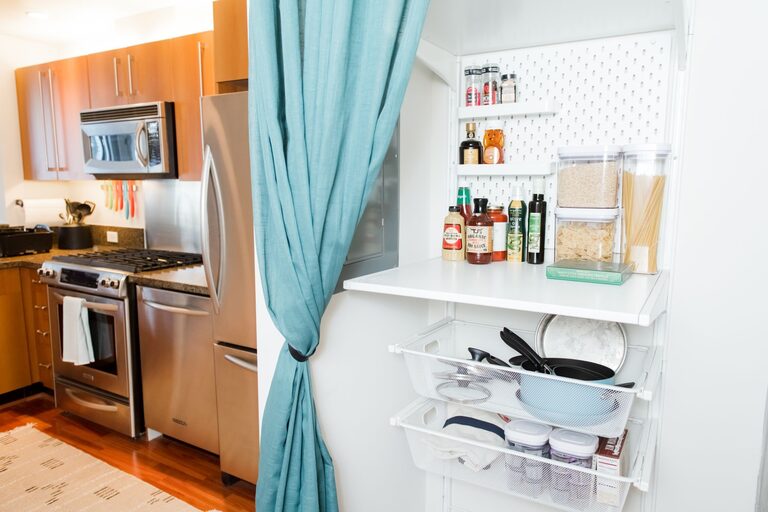
Transfer staples like flour, sugar, pasta, and rice into clear containers with tight-fitting lids. This keeps food fresh and lets you quickly see how much you have left.
Label Everything
Label your containers and shelves so everyone in the household knows where things belong. This reduces the chance of misplaced items.
Arrange by Category and Size
Place heavier items on lower shelves and lighter ones on higher shelves. Group similar products together, such as baking supplies on one shelf and breakfast items on another.
Use Vertical Space
Install stackable shelves or door organizers to maximize storage without overcrowding.
Step 4: Arrange Your Fridge Efficiently
The fridge has different zones with varying temperatures, so storing food in the right spot is key:
Top Shelves
Store ready-to-eat foods like leftovers, drinks, and prepared meals here. This area has a consistent temperature.
Middle Shelves
Ideal for dairy products like yogurt, cheese, and milk.
Bottom Shelves
Coldest part of the fridge, perfect for raw meat, fish, and poultry. Keep these items in sealed containers to avoid drips.
Drawers
Use the drawers to store fruits and vegetables. Some fridges have humidity controls—set them according to what you’re storing to keep produce fresh longer.
Door Shelves
Store condiments, juice, and other items that can handle slight temperature changes. Avoid storing milk here as it’s warmer than other parts.
Step 5: Maintain Regular Cleaning and Organization
Keeping your fridge and pantry tidy is easier with regular upkeep:
– Weekly checks: Do a quick scan to toss expired items and wipe up spills.
– Monthly deep clean: Repeat the empty-and-clean process at least once a month.
– Restock smartly: When grocery shopping, take inventory of what you already have to avoid overbuying.
– Practice “first in, first out” (FIFO): Place newly bought items behind older ones so older products get used first.
Bonus Tips
– Use shelf liners: These protect surfaces and make cleaning easier.
– Keep a notepad or whiteboard nearby: Write down items you’re running low on.
– Store frequently used items at eye level: This reduces the time you spend searching for them.
– Avoid overcrowding: Air circulation is important for keeping food fresh in the fridge.
Conclusion
With a little planning and regular maintenance, you can keep your fridge and pantry tidy and organized. This simple routine not only improves your kitchen’s look but also streamlines your cooking process and helps cut down on waste. Start with a good cleanout, use smart storage solutions, and stay consistent with your efforts—your kitchen will thank you!